Our Mission
We promote sustainable economic development by facilitating reuse of commercial and industrial sites and providing long-term management of legacy environmental concerns.
Who we Are
The West Virginia Land Stewardship Corporation (WVLSC) was created by an act of the West Virginia Legislature (§31-21) in 2013 to support sustainable economic development in the state by preparing former industrial and commercial properties for reuse, addressing environmental contamination, and implementing other land use programs designed to promote economic development. Designated as West Virginia’s state-wide land bank, WVLSC is also authorized to perform a variety of functions related to holding and transferring property when such activities would advance economic development, and leads state and national conversations on land banking and land use issues.
WHAT WE DO
Operate a Statewide Land Bank
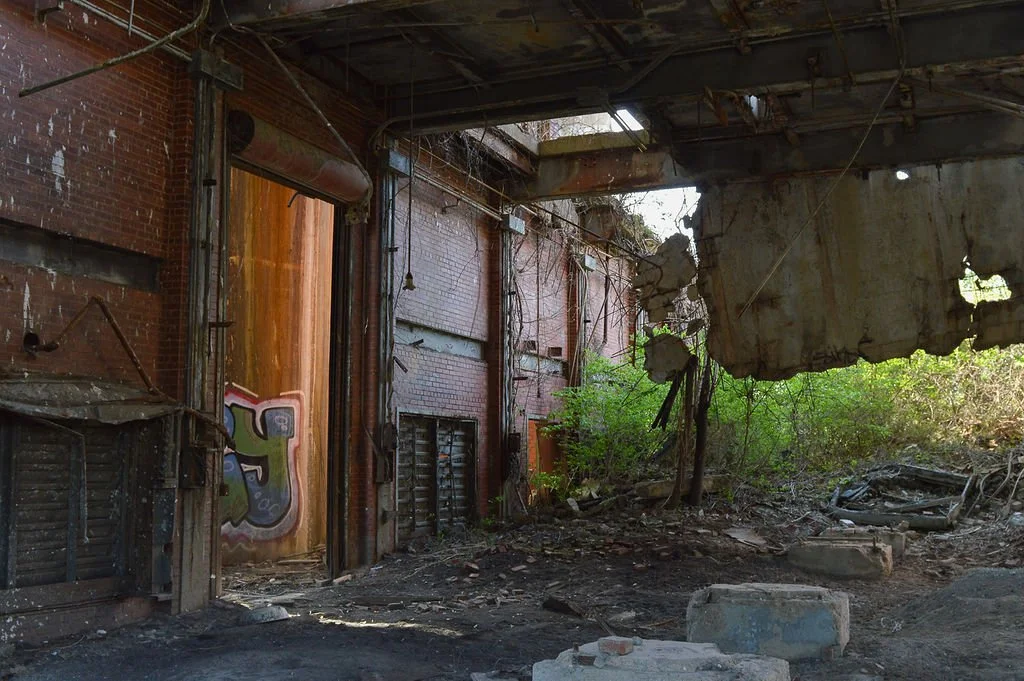
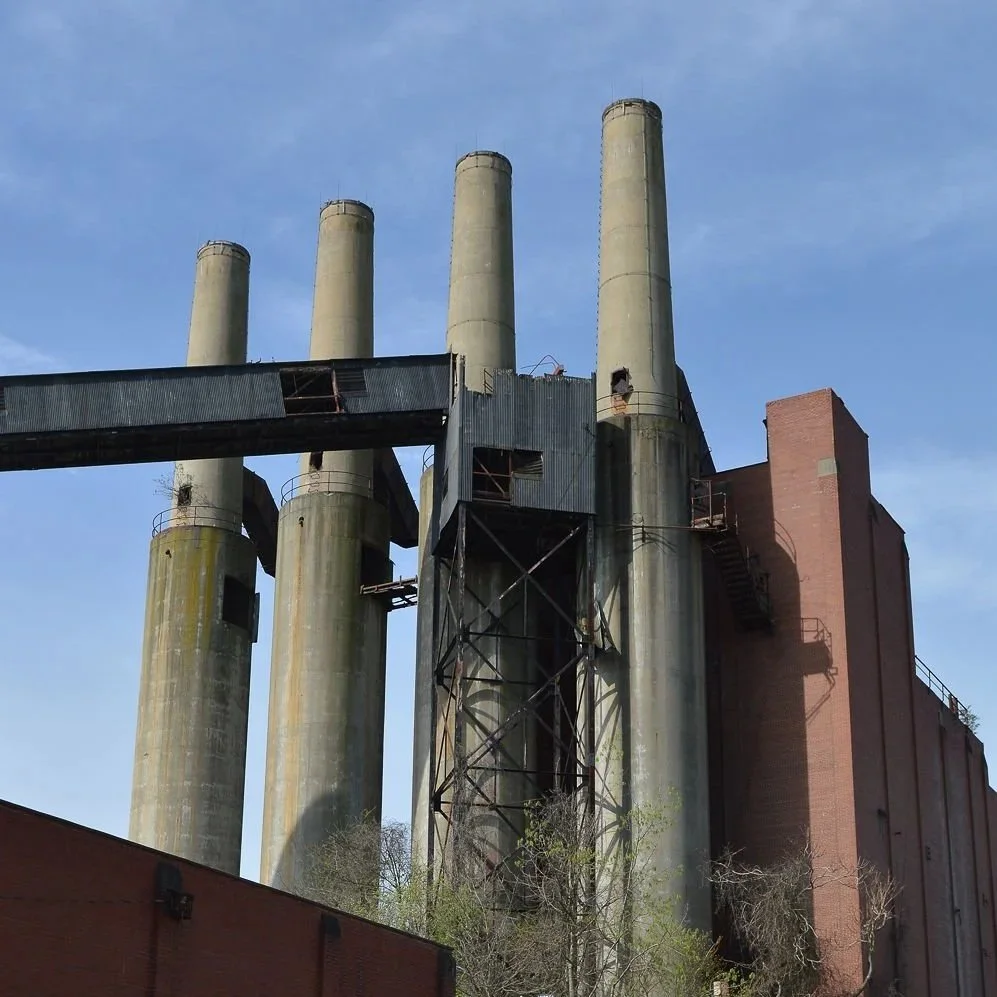
The WVLSC Land Bank takes legal title to commercial or industrial real estate with known or perceived environmental issues in order to prepare it for redevelopment. After addressing all environmental issues, we work with state and local government, local development authorities, and/or private entities to sell remediated properties for uses that stimulate the economy and fit with local development goals.
-
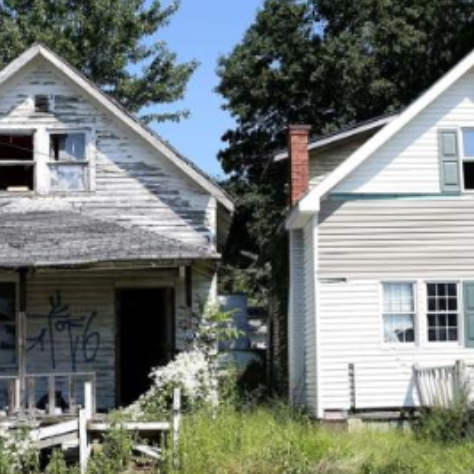
Land banks are public organizations with unique legal powers to manage vacant, dilapidated, or abandoned properties. Land banks across the United States work in service of economic development, productive land reuse, and community cohesion. In West Virginia, there are two kinds of land banks: local land reuse agencies, and the West Virginia Land Stewardship Corporation.
-
Local land reuse agencies work within their communities to revitalize neighborhoods and promote economic development in their jurisdiction by taking title to abandoned, dilapidated or vacant properties and putting it back into productive reuse. WVLSC works statewide with communities to either support their local land bank, or operate as the land bank for problem properties in their area.
Provide Land Stewardship Services
Certain environmental remediation strategies require long-term oversight. As a long-term steward, the WVLSC provides the monitoring and maintenance needed to ensure that the remedies chosen for a particular site remain effective over time. Engaging the WVLSC as either a short- or long-term steward allows responsible parties and property owners to satisfy their perpetual obligations without shifting focus away from their primary business.
-
Land stewardship can be used to describe a variety of activities that promote the responsible use and management of land and its resources. WVLSC’s enabling legislation sets out several specific activities for our land stewardship work:
monitoring and inspection of Institutional Environmental Control Sites
holding, monitoring, and maintaining sites with Land Use Covenants
-
West Virginia’s developable land is limited, but it is one of the state’s most valuable resources. When land has been environmentally contaminated, it requires cleanup and long-term oversight to meet legal requirements for eventual redevelopment.
Local Land Bank Support
West Virginia boasts 19 local land Reuse Agencies (LRAs) and several active Urban Renewal Authorities (URAS). These entities are the workhorses of the land reuse landscape, addressing hundreds of vacant, abandoned and dilapidated properties each year. WVLSC has provided direct support in the creation of over 14 local land banks, more than doubling the number of local LRAs in the state in just three years. Additionally, the WVLSC aggregates and reports data annually to the WV Legislature in the State of Land Banking reports.
-
There are 20 local land banks currently established in West Virginia:
Beech Bottom
Bluefield
Cabell County
Charleston
Clarksburg
Dunbar
Fayette County
Hinton
Huntington
Kenova
Montgomery
Morgantown
Moundsville
New Martinsville
Nitro
Princeton
Smithers
South Charleston
Weston
-
Local land banks can be created through the adoption of a county or municipal ordinance. Once an ordinance is passed, a Board of Directors must be appointed, bylaws approved, and the new LRA must register with the West Virginia Secretary of State.
-
Land banks’ legal powers make them a powerful tool for dealing with vacant, abandoned and dilapidated properties.
Programs and Services
Transforming Abandoned Properties Program (TAPP)
Brownfield Remediation
Property Abandonment and Reclamation Tool (PART)
Land Stewardship